Invited Speakers
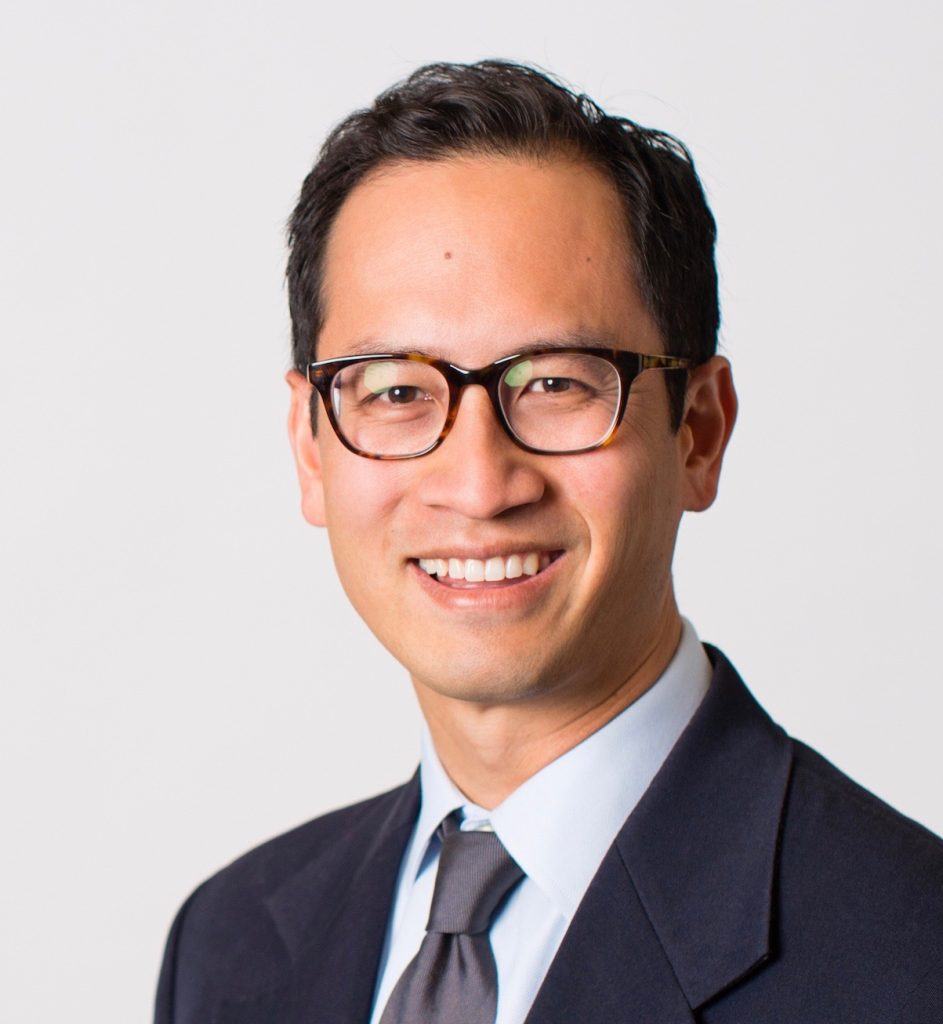
Edward Chang
Edward Chang is a neurosurgeon and neuroscientist at the University of California, San Francisco, where he serves as Chair of the Department of Neurological Surgery. His research investigates the neural basis of speech — how the human brain perceives the sounds of language and coordinates the vocal tract to produce them. Using direct recordings from the human cortex, his work has revealed how neural populations encode phonetic features, bridging linguistic theory and neurobiology, and has led to the development of speech neuroprostheses that aim to restore communication to people who have lost the ability to speak.
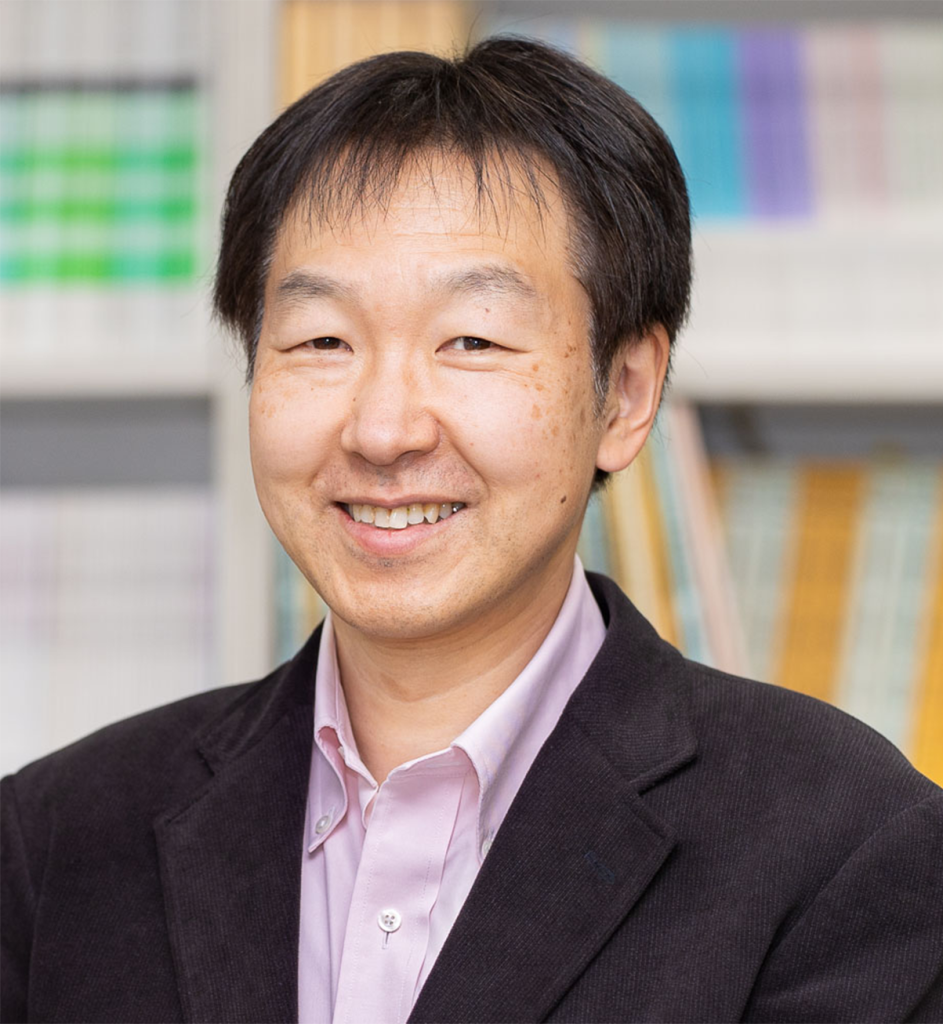
Takayuki Arai
Takayuki Arai is Professor at Sophia University in Tokyo, Japan. He received his Ph.D. in Engineering from Sophia University in 1994. He has also held visiting research positions at the Oregon Graduate Institute of Science and Technology, the International Computer Science Institute / University of California, Berkeley, and the Massachusetts Institute of Technology (MIT).
His research focuses on speech science including speech production and perception, acoustic phonetics, and speech communication, with particular emphasis on vocal-tract models and hands-on approaches to speech science education. He has developed widely recognized educational tools and demonstrations that make speech production mechanisms visible and understandable for students, researchers, clinicians, and the general public.
He is an ISCA Fellow and has been listed among the world’s top 2% most influential researchers by Stanford University and Elsevier. He currently serves as a Council Member of the Phonetic Society of Japan, a Board Member of the Acoustical Society of Japan, and a Board Member of the Japan Society of Logopedics and Phoniatrics. He has also contributed extensively to phonetics education and public outreach, including pronunciation supervision for educational television programs on NHK.
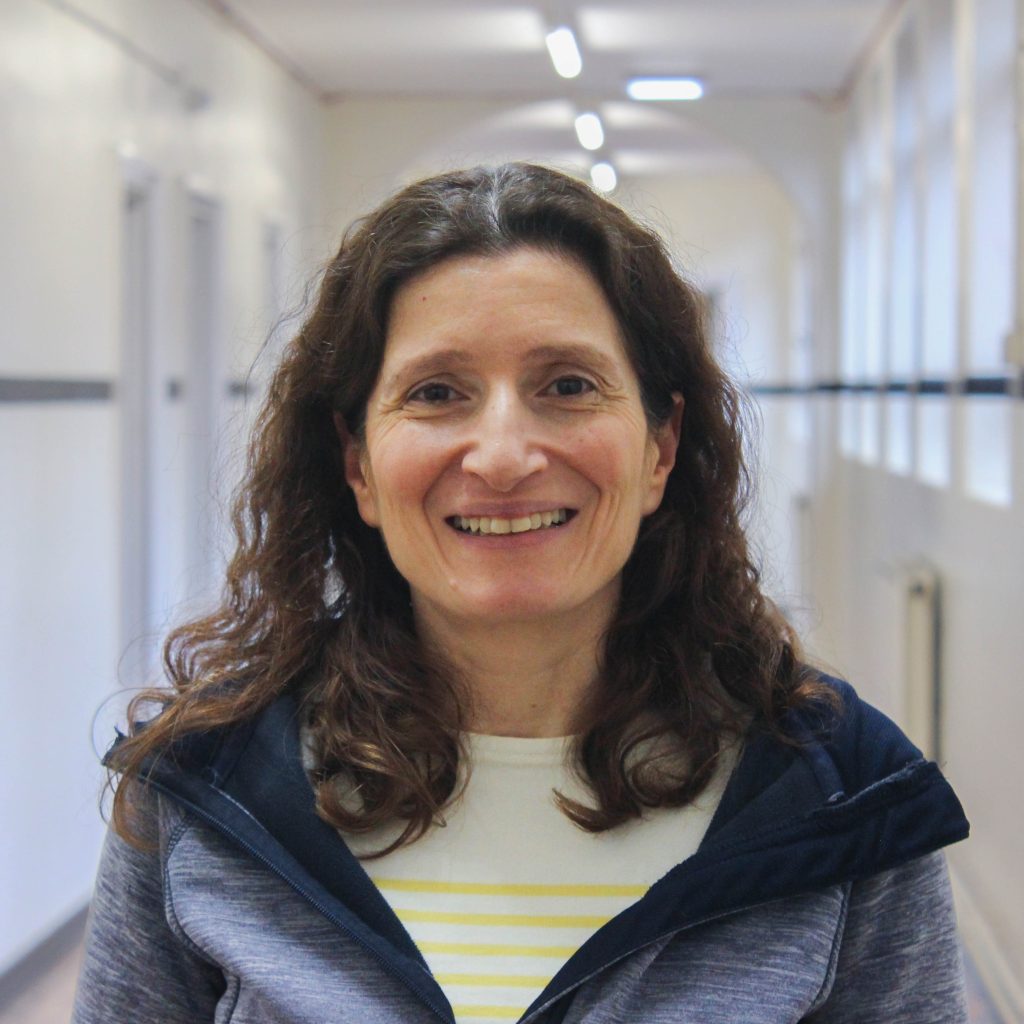
Ghada Khattab
Ghada Khattab is a Professor in Phonetics at Newcastle University, UK where she has been working since she completed her PhD in Linguistics at Leeds University in 2003. Her main areas of expertise are Arabic phonetics and phonology, bilingual phonological acquisition, and sociolinguistics. Her research explores how languages are acquired, stored, and produced within a social context. It spans adult and child phonology and has contributed new knowledge and theoretical advances in those fields, as well as having direct impact within clinical spheres. She has also worked on lexical and morpho-phonological development across the Arab world, exploring factors such as multilinguals and social disadvantage impact language development.
Ghada has published widely in these areas and her research has attracted funding from major research councils and other funding bodies in the UK, Northern Europe and the Arab world. She is currently head of the Experimental Linguistics Lab and the Phonetics and Phonology Research Group at Newcastle. She supervises several research students who work in areas that are at the intersection between speech production and perception, bilingualism and second language learning, and language variation and change.
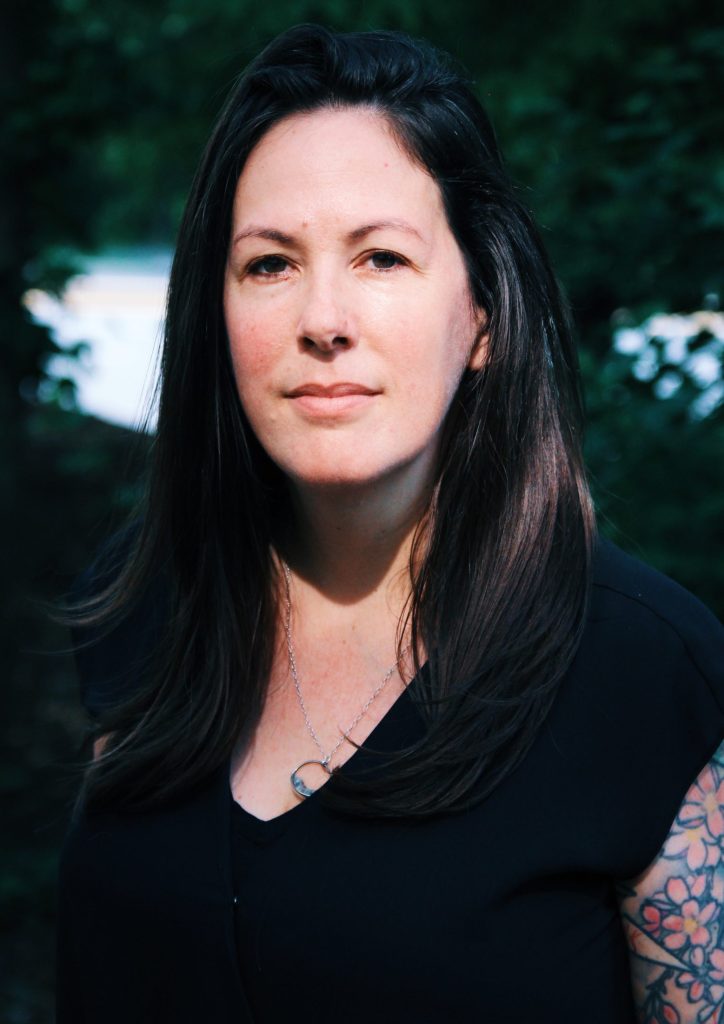
Julie Hochgesang
Julie A. Hochgesang (/ˈhoʊkˌsæŋ/) is a professor of Linguistics at Gallaudet University. She is a Deaf linguist interested in phonetics and phonology, documentation, and sociolinguistics of signed languages, as well as ethical considerations of working with signed language communities. Professor Hochgesang works towards making linguistics accessible to the communities, especially the ASL communities, sharing multimodal products via social media and digital repositories. She has contributed to ongoing efforts to create accessible collections for the ASL communities, most notably as active maintainer of ASL Signbank, an annotation tool, and Collections of ASL for Research and Documentation (CARD) with multiple datasets including “Motivated Look at Indicating Verbs in ASL (MoLo)”, “Documenting the Experiences of the ASL communities in the time of COVID-19 (O5S5 – ASL name derived from ASL variants for “Document COVID”), and “Social Media ASL” (SoMe ASL).
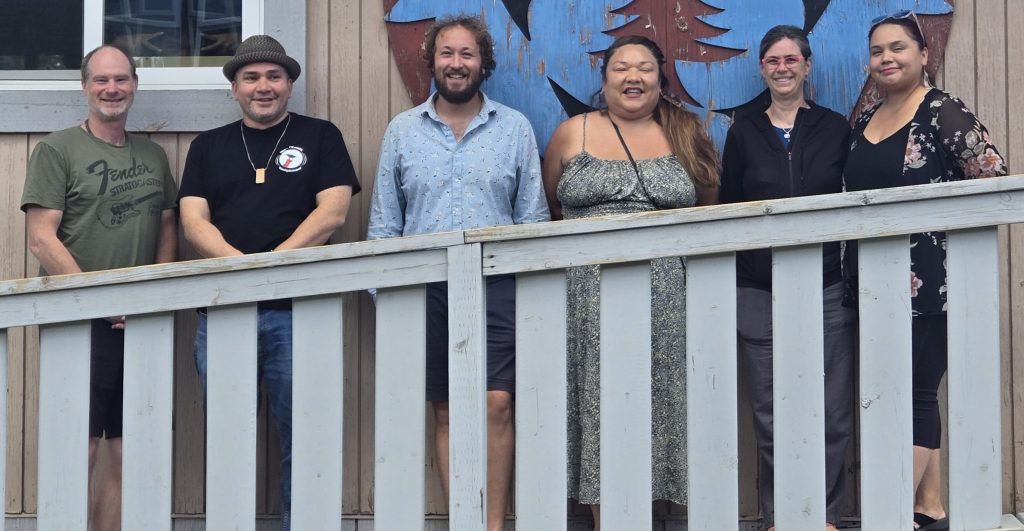
Pictured: Tye Swallow (W̱SÁNEĆ School Board), PENÁĆ (W̱SB), Aidan Pine (National Research Council Canada), MENEŦIYE (W̱SB), Dr. Marion Caldecott (W̱SB), SX̱EDŦELISIYE (W̱SB)
Speech Generation for Indigenous Language Education, SENĆOŦEN LOBOT Team
ÍY¸ SȻÁĆEL (good day). We are six members of the SENĆOŦEN LOBOT team. Over the last 3 years, we have worked together to co-develop a text-to-speech synthesizer named the ‘LOBOT’ in the SENĆOŦEN language, the traditional language of the W̱SÁNEĆ People.
We built and designed the LOBOT as part of a larger research partnership between internationally renowned Indigenous education organizations (W̱SÁNEĆ School Board; University nuhelot’ine thaiyots’i nistameyimâkanak Blue Quills; Onkwawenna Kentyohkwa) and academic labs with expertise in speech synthesis (National Research Council Canada; Centre for Speech Technology Research, University of Edinburgh; National Institute of Informatics Yamagishi Laboratory).
Together, we hold a variety of perspectives and backgrounds ranging from SENĆOŦEN language fluency, education, linguistics, computer science, and natural language processing. Over the course of our project we addressed the technical, ethical, and practical challenges associated with building a text-to-speech system for SENĆOŦEN and we are looking forward to sharing our experience at ICPhS 2027!